

We are delighted to announce the launch of the MDI Assistive Technology (AT) Support Service.
The Assistive Technology support service offers individualised support to members with a neuromuscular condition by providing them with valuable information, support, and advocacy on how to secure smart technologies that can assist members to improve challenges faced in their everyday lives. Our aim is to create a supportive environment where individuals with a neuromuscular condition can thrive and achieve their full potential. People with disabilities face a variety of challenges be it at home, in education, employment, healthcare, social isolation, independent living and funding.
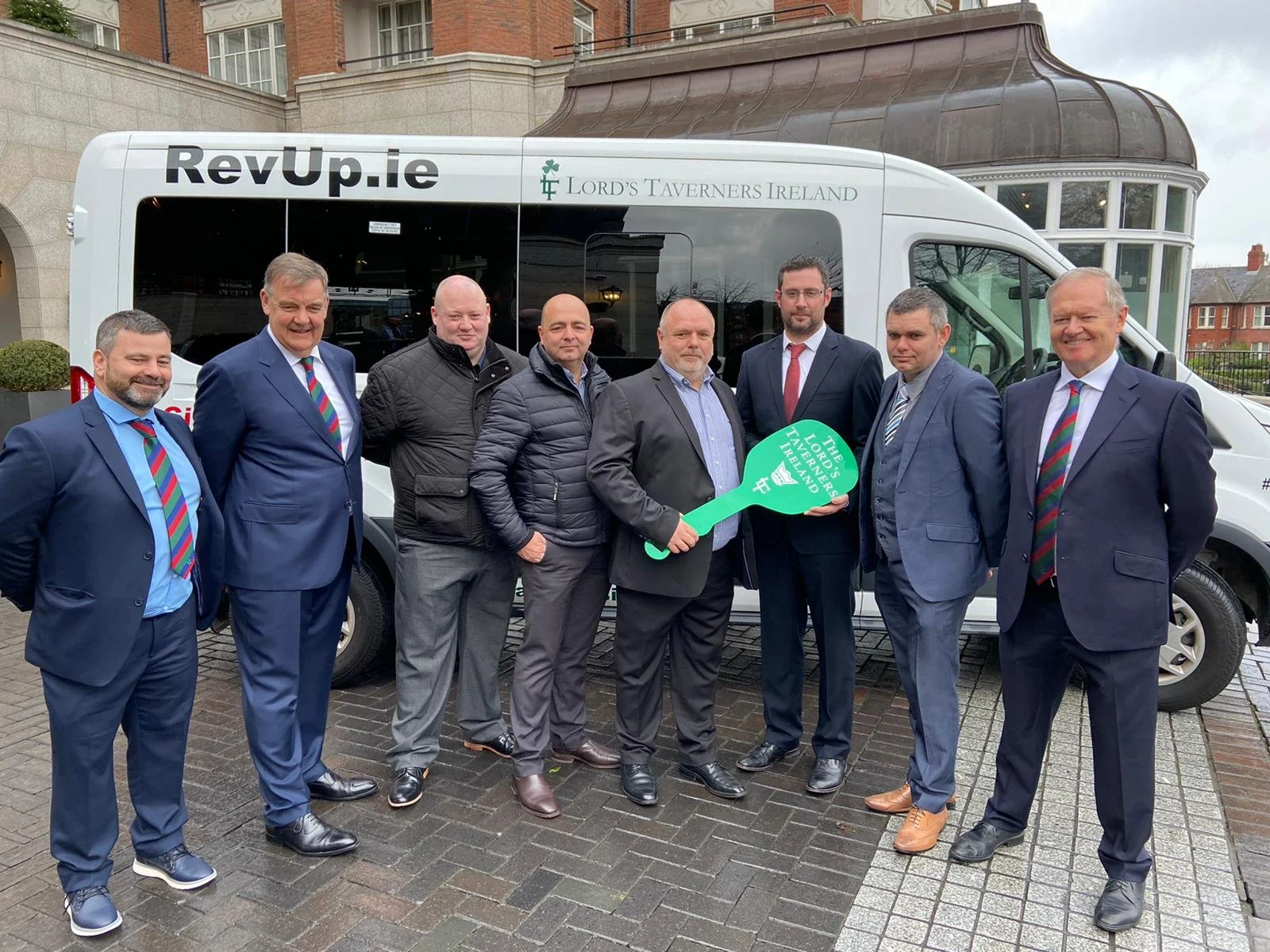
RevUp 2025: Motorcyclists take to the road in a 3 day mystery tour on May 3rd to rasie money for Irish Wheelchair Association.
To date, funds raised from RevUp 2018 - 2024 were used to fund three minibuses for a school and two sports clubs that cater for young people with disabilities as well as three powersoccer chairs recieved by MDI members, eight basketball wheelchairs and a hand cycle for twelve young people who can now participate and enjoy the sport that they love.


Introducing Our New Wellbeing Programme with Siel Bleu
Muscular Dystrophy Ireland (MDI) is delighted to launch a new pilot wellbeing programme in partnership with Siel Bleu Ireland, made possible through the Ollie Hickey Fund. This unique initiative is designed for both children and adults living with neuromuscular conditions. It brings together a multidisciplinary team of physical trainers, physical therapists, and nutrition professionals, all focused on supporting participants to live well through safe, adapted, and personalised approaches to wellness.
Webinar: Neurodiversity in Duchenne
We wish to draw your attention to a webinar coming up with Action Duchenne: Neurodiversity in Duchenne on Monday 12th May, 6:00pm with James Poysky.

🧠 HSE Project: Improving Care for People with a Neurological Condition
The HSE is working on a new plan (called an integrated approach) to help improve care for people with a neurological condition. A neurological condition is when the brain, spinal cord, or nerves aren’t working properly. Some examples include Parkinson’s disease, epilepsy, head trauma, multiple sclerosis, motor neurone disease, headache (and migraine). We want to hear from people who use these services—patient and service user partners — so we can help improve care together.

🔄 A.T. Tuesday: GATHER 2025 Takes Place This May
This is a place where staff from further and higher education can come together about Assistive technology and share experiences, insight and tips about AT. Over the three days on May 27th, 28th, and 29th, they will have presentations, demonstrations and discussions that will explore:

Help Drive Positive Change: Join MDI’s Advocacy Committee.
MDI’s Advocacy Committee brings together people with lived experience of muscular dystrophy and related neuromuscular conditions – people living with the conditions and family members – to advocate for positive change in society on areas that affect the lives of people living with neuromuscular conditions and to inform the development of MDI’s services.

Exciting announcement: MDI's National Conference will be held on Sunday, December 7, 2025 at Croke Park!
Join us as we welcome back Dr Jeff Preston from Canada to speak on our conference theme, CONNECTION. Save the date and stay tuned for more updates on our agenda. Don’t miss this opportunity to connect and grow together!

Strengthening Global Ties: MDI Joins FSHD Europe, Advances Registry Work, and Supports Patient Voice in Access to Treatments
MDI has joined FSHD Europe, a key alliance supporting patients with facioscapulohumeral muscular dystrophy across the continent, aiming to improve diagnosis, care, and treatment access. We also recently took part in the TREAT-NMD Annual Curators Meeting, gaining valuable insights as we continue to develop a national neuromuscular registry for Ireland. Lastly, MDI highlights the role of patient organisations in Health Technology Assessments (HTAs) — a crucial step in securing access to new treatments. We may seek patient input for upcoming HTA submissions, so stay tuned for future opportunities to share your voice.

Shaping the Future: Top Research Priorities Chosen by the MDI Community
Last November, we emailed everyone on our dataset asking them to prioritise a list of research themes. The survey was also handed out at the MDI conference. Thank you to everyone who took the time to respond. Below is a graph showing the ranking of participants priorities.

Children’s and Young People’s Research Advisory Group
The All-Ireland Rare Disease Interdisciplinary Research Network (RAiN) brings together a broad range of interdisciplinary professionals and patient representatives with an interest in research. As part of their efforts, they have established the Children’s Research Advisory Group (CRAG), a platform for children and young people with rare diseases to have a voice in guiding research. CRAG aims to ensure that research is relevant to the needs of young people by actively seeking their advice on what researchers do and how they approach their work.

You can still join as a virtual participant for the 2025 VHI Women's Mini Marathon in aid of MDI
You can still join as a virtual participant for the 2025 VHI Women's Mini Marathon in aid of Muscular Dystrophy Ireland! Lace up your running shoes and join us for a fantastic cause. Join our team on iDonate when prompted as part of registration!

MDI receive grant for special needs stroller from The Hospital Saturday Fund at a special reception in Dublin.
Twenty-six Irish charities received donations from The Hospital Saturday Fund at a special reception in Dublin recently. In total, over €122,000 was donated to the medical charities and organisations at the event, which was hosted by Lord Mayor of Dublin Emma Blain. Among the beneficiaries was Muscular Dystrophy Ireland who were awarded a grant to support a special needs stroller.

MDI Research Collaborations 2024: Highlights from Groundbreaking Studies with Irish Universities
Last year, MDI collaborated with the University of Galway, University College Dublin and Trinity College on three different research studies. A heartfelt thank you to everyone who participated in these studies. We are pleased to share the results of two of these studies below. The researchers from all three projects would like to extend their gratitude to everyone who took part in their study. Without your support, these projects would not have been possible.

Help Shape Future Research: Join Our PPI Group
MDI has a small group of PPI contributors who participated in two research studies last year. We are keen to expand this group and particularly welcome parents and caregivers of people with a neuromuscular condition

Medical Independent: New molecular technology required for SCID and SMA screening – HSE
The introduction of new molecular technology to the National Newborn Bloodspot Screening Laboratory (NNBSL) is required to implement screening for severe combined immunodeficiency (SCID) and spinal muscular atrophy (SMA), according to the HSE. The Executive indicated this was an additional requirement to the “substantial” body of work required to introduce any new condition to the programme.

IHREC Consultation on Independent Living takes place Tuesday 15th April 2025
IHREC is the Independent Monitoring Mechanism (IMM) under the UNCRPD. Our role is to promote and monitor the implementation of the UNCRPD in Ireland. The Commission will produce a submission reviewing Ireland’s implementation of the UNCRPD in the coming months. This is to inform the consideration by the UN Committee on the Rights of Persons with Disabilities of the ‘List of Issues’ that will be the basis of the States’ review by the Committee in 2028. This consultation event will contribute to our report of the UNCRPD in Ireland.

Help Us Understand Pain in Children and Young Adults With Physical Disabilities
By sharing your experiences, you will help improve understanding, shape future research, and contribute to better supports aimed at reducing pain for children and young people with physical disabilities.