
MDI Rare Condition Awareness
Over the coming months we’re sharing spotlights on individual members of our community who are living with a variety of neuromuscular conditions. We began on Rare Disease Day, 29 February, to draw attention to the fact that rare disease isn’t just for one day. By sharing individual stories and information on their conditions, we want to raise awareness about the many neuromuscular conditions experienced by the diverse members of our community to whom MDI offers support.

International Myotonic Dystrophy Awareness Day is on 15 September. Special thanks to Donal for sharing his story and raising awareness about myotonic dystrophy.
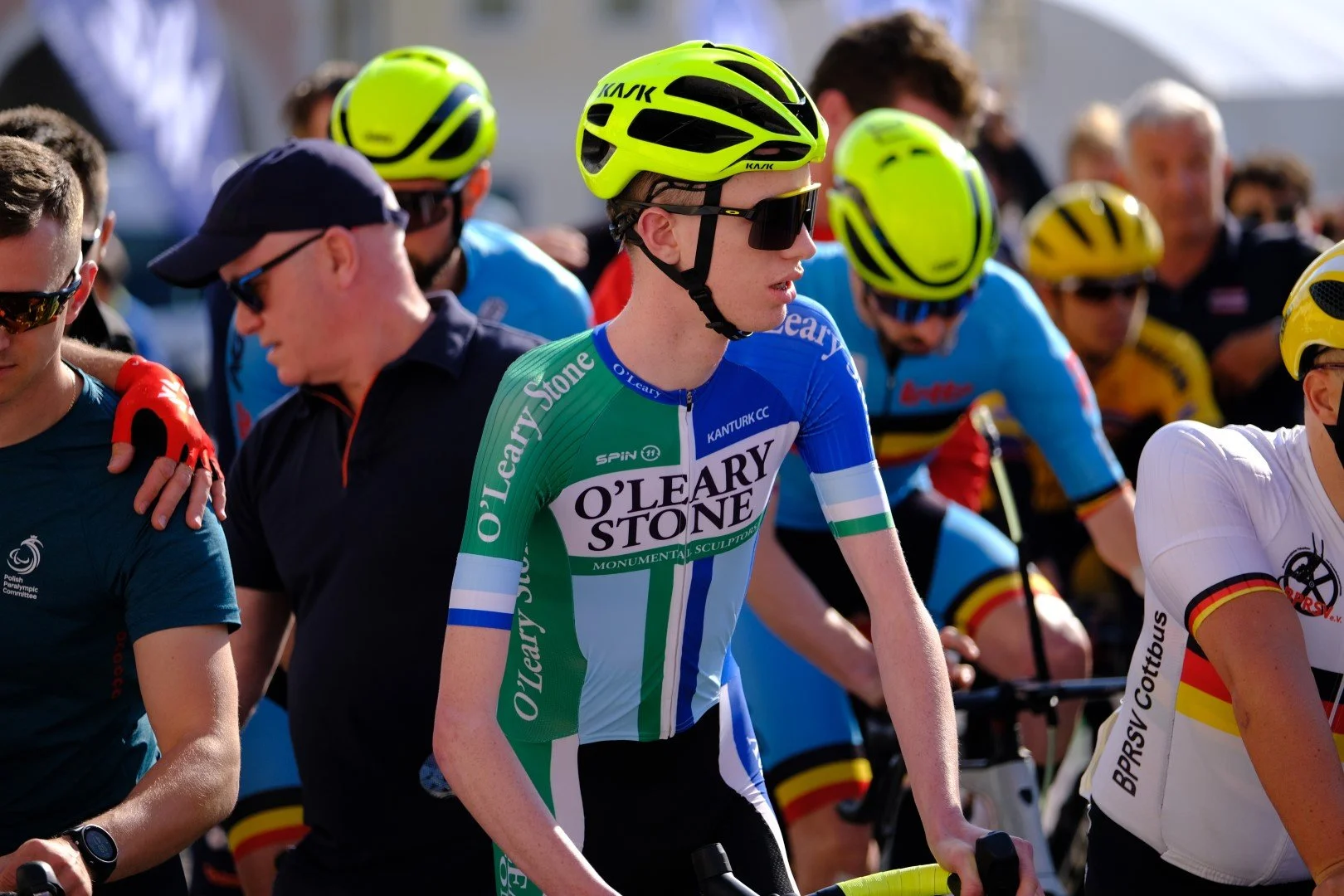
As part of our members’ stories series, Cormac O’Callaghan is delighted to share his story about his involvement in cycling. I compete in paracycling at national and international levels. It helps me push myself and feel accomplished. I get to meet and compete with other great athletes from Ireland and around the world.
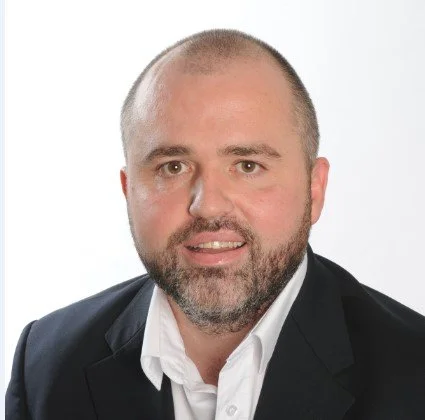
As part of our members’ stories series, we are delighted to share David Kennedy story about the benefits he gains from keeping active through swimming.
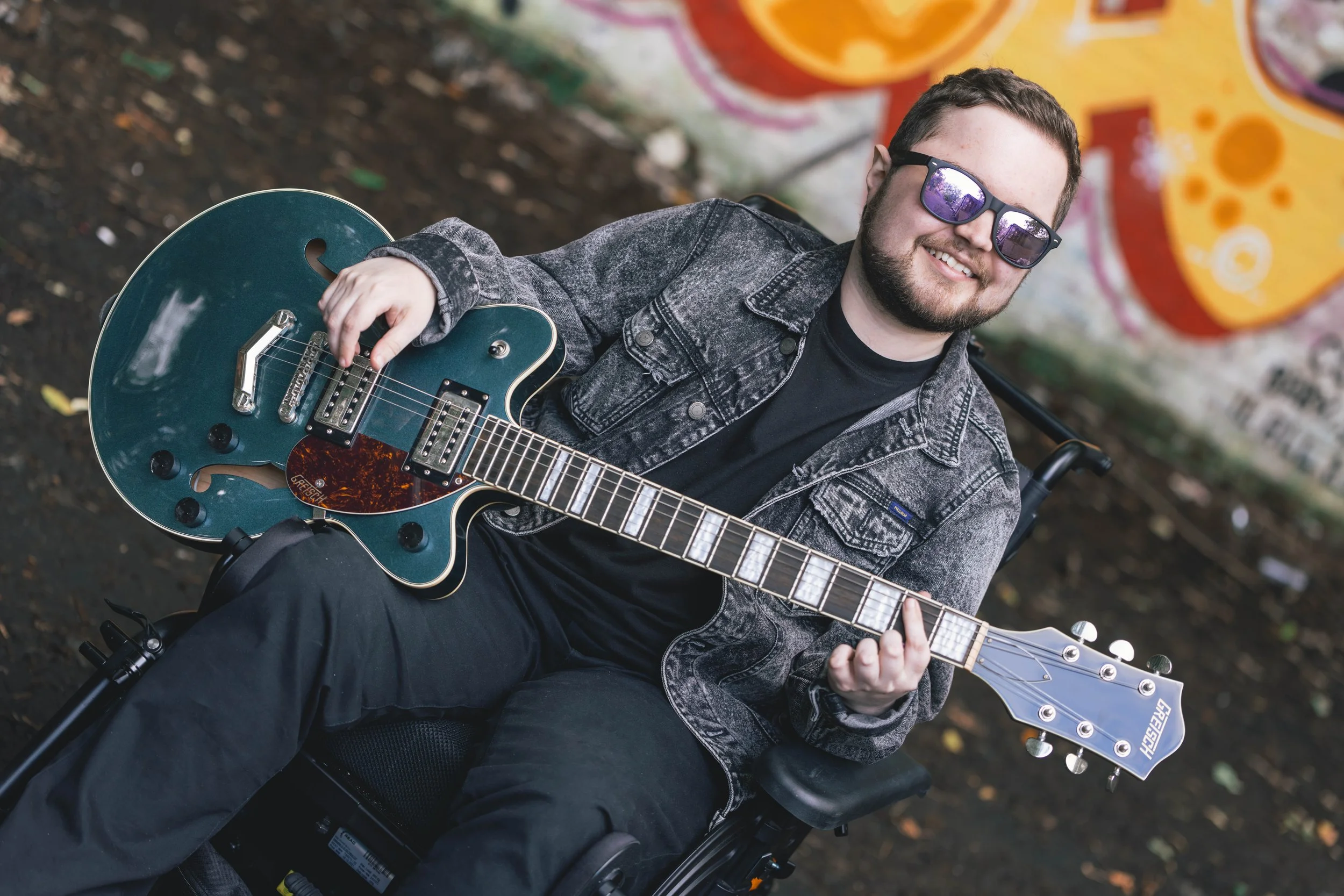
As part of our members’ stories series, we are delighted to share Alex James Kennedy’s story about his music career.

I lost the use of my right shoulder when I was 19. Then, when I was in my late twenties in 2009, I had issues with my left shoulder. I went to a shoulder specialist who referred me to a neurologist who ran all the tests. He brought me to the muscular dystrophy clinic in Beaumont in 2010 where I received a diagnosis there and then. Then I had more tests and received a genetic diagnosis in 2013. Facioscapulohumeral muscular dystrophy type 2 accounts for approximately 5 per cent of all cases of FSHD.
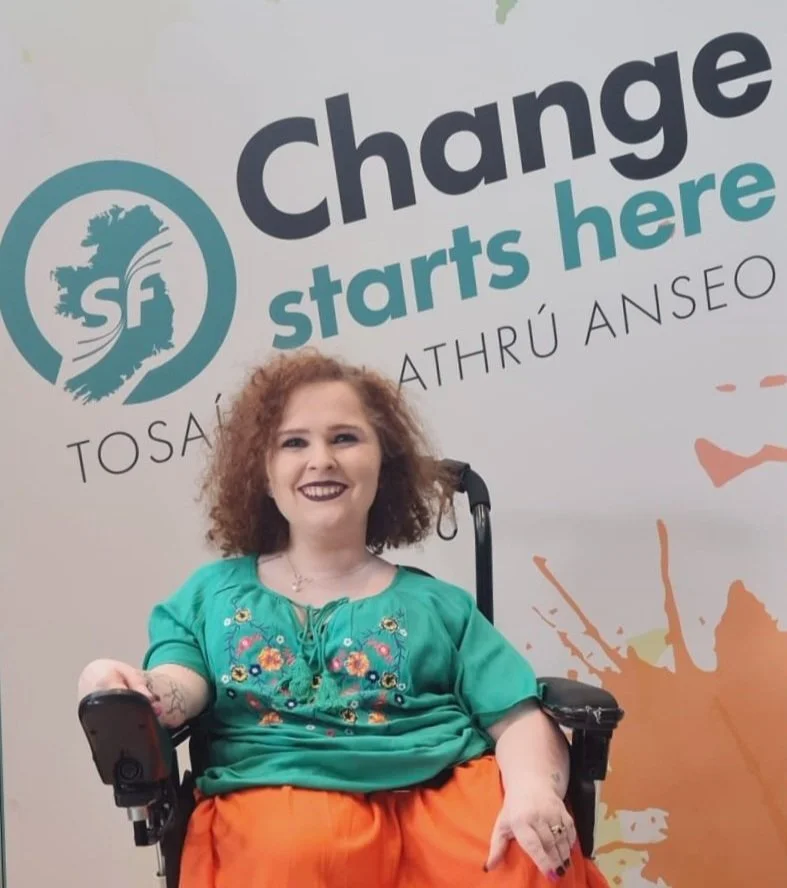
As part of our members’ stories series, we are delighted to share Maureen’s Pigott’s story about running as a candidate in the local elections on 7 June. If you are a candidate living with a neuromuscular condition and who would like to share your personal experience of the campaign, please get in touch
As International Pompe Day takes place every year in April, we want to raise awareness about this rare condition. We are unaware of anyone who is living with the condition in Ireland and so we are simply sharing information about the condition.

Over the coming months we’re sharing spotlights on individual members of our community who are living with a variety of neuromuscular conditions. We began on Rare Disease Day, 29 February, to draw attention to the fact that rare disease isn’t just for one day. By sharing individual stories and information on their conditions, we want to raise awareness about the many neuromuscular conditions experienced by the diverse members of our community to whom MDI offers support. Special thanks to Brendan for sharing his story and raising awareness about McArdle disease, which is also called Glycogen Storage Disease Type V (GSD V). The spotlights will be added to a dedicated page on our website so that you can learn about people’s experiences of living with each condition.

We began on Rare Disease Day, 29 February, to draw attention to the fact that rare disease isn’t just for one day. By sharing individual stories and information on their conditions, we want to raise awareness about the many neuromuscular conditions experienced by the diverse members of our community to whom MDI offers support.

I don’t like the words inspiration / inspiring. That’s not my role in life. My job is to live life and not be an inspiration to people, though they mean well. A lot of people with disabilities hate that.