
Spotlight on members of our community living with neuromuscular conditions: Brendan O’Connell
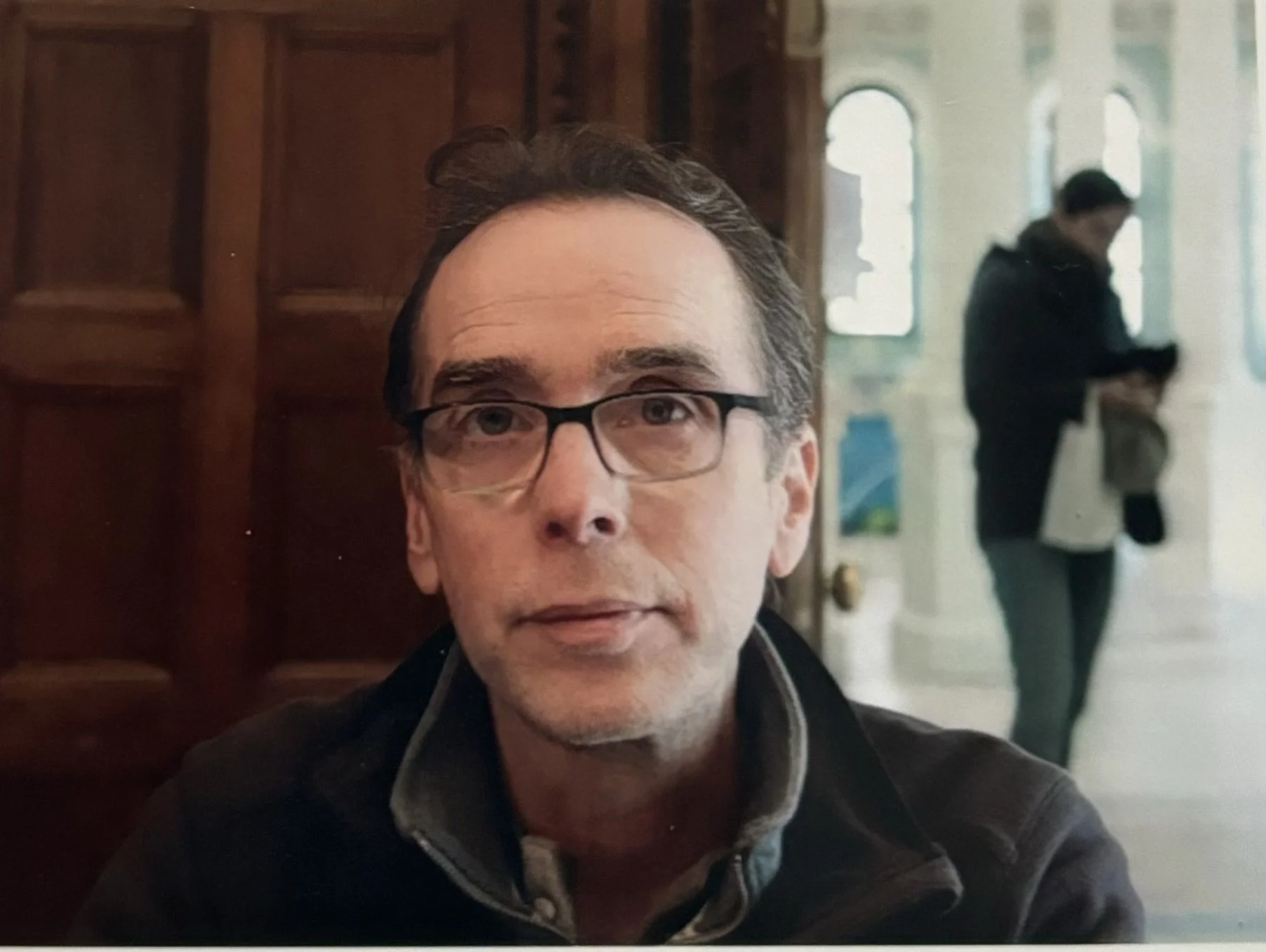
Brendan O’Connell.
Over the coming months we’re sharing spotlights on individual members of our community who are living with a variety of neuromuscular conditions. We began on Rare Disease Day, 29 February, to draw attention to the fact that rare disease isn’t just for one day. By sharing individual stories and information on their conditions, we want to raise awareness about the many neuromuscular conditions experienced by the diverse members of our community to whom MDI offers support. Special thanks to Brendan for sharing his story and raising awareness about McArdle disease, which is also called Glycogen Storage Disease Type V (GSD V). The spotlights will be added to a dedicated page on our website so that you can learn about people’s experiences of living with each condition.
Name:
Brendan O’Connell.
Age:
56.
County:
Dublin.
Type of neuromuscular condition:
McArdle disease, also known as Glycogen Storage Disease Type V (GSD V).
At what age were you diagnosed?
39.
What were your first symptoms?
My first experience of McArdle disease was in my childhood when I experienced muscle inflammation/contraction and general fatigue a few minutes into any type of physical activity. In extreme situations where I tried to continue on with the physical activity after these symptoms arose, I experienced a condition called rhabdomyolysis. Basically, rhabdomyolysis is where the muscles involved in the physical activity burst and, as a consequence, muscle tissue is released into the bloodstream causing temporary renal failure. If left untreated it can cause permanent disability or death.
Do you have other family members who have the condition?
Not that I am aware of, but my family now have full knowledge of the condition and what to look out for, in case any of their children display symptoms of McArdle.
What do you find to be the greatest challenges in living with your condition?
Because of the late diagnosis at age 39, I have suffered a lot of muscle wastage (muscles that have burst and not regenerated) and osteoporosis can also make it a struggle to work and keep up with friends and colleagues, doing what most people would consider normal everyday tasks. As a result, fatigue sets in quite early. Thus, doing a full day’s work can be hard to achieve.
Is there anything you’d like people not to assume about you because you have the condition?
There is a very Irish attitude to people with disabilities that are not visible, if you don't have a missing limb or are not using a wheelchair or crutches: “Sure you’re grand aren’t ye”. To those people I’d like to ask them, if someone is willing to explain their condition and what their limitations are, then can you not achieve more together through understanding?
What are your greatest accomplishments?
I have always loved music and as a teenager I struggled trying to learn how to play a musical instrument, whether it was a guitar or a piano, as a result of a disability I didn't know I had! After I was diagnosed, I decided to take a different approach to learning guitar and piano and I’m proud to say I’ve managed to master both (sort of!).
How has living with your condition influenced you into becoming the person you are today?
Up until I was diagnosed at age 39 I was very angry at the world in general but since being diagnosed I’ve become a much more tolerant, calm and accepting person.
Is there anything you’d like to say or offer as advice to a person recently diagnosed with the condition?
Nobody knows you better than yourself, listen to what your body is telling you and if it's telling you to slow down or stop, then slow down and stop! Never be embarrassed to tell people how you feel or that you cannot do something that is outside your physical limits.
What do you want the world to know about your condition?
McArdle disease, while rare, can be physically and psychologically destructive if left undiagnosed for a long time. If someone you know is showing symptoms of the condition, get them tested ASAP. Diagnosis at an early age saves years of pain and trauma.
Muscular Dystrophy Ireland supports people living with McArdle disease, also known as Glycogen Storage Disease Type V (GSD V), and many other neuromuscular conditions. If you have any questions, you can contact us on our Information Line on +353 01 6236414 or on http://www.mdi.ie/contact.
Our colleagues, Muscular Dystrophy UK, have developed very helpful information about the condition. You can find out more about McArdle disease here.
Disclaimer: The views expressed in the content are solely that of the interviewee and do not necessarily reflect the views of MDI. Furthermore, please note that while MDI shares information about neuromuscular conditions, we do not provide medical advice, diagnosis or treatment. This content is not intended to be a substitute for professional medical advice, diagnosis or treatment. Always seek the advice of your physician or other qualified health provider with any questions you may have regarding a medical condition.