
‘Time Is Muscle’: MDI Supports Families in Campaign for Rapid Review of Duchenne Treatment Givinostat
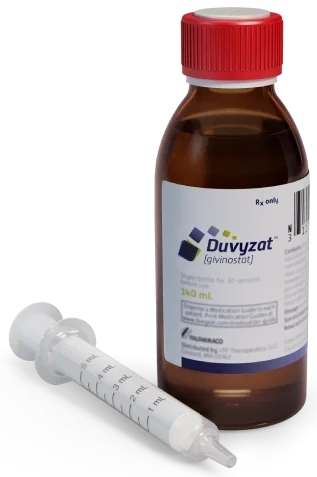
Dublin, [09/06/2025], Muscular Dystrophy Ireland (MDI) encourages timely assessment of Givinostat, a promising new therapy that has shown to slow down disease progression in Duchenne muscular dystrophy (DMD).
Givinostat (brand name DUVYZAT®) received EU conditional marketing authorisation on 6 June 2025. Conditional approval means the medicine can be authorised with less complete data than usual because the benefits of a making it available quickly outweigh the risks of not having all the information yet. Italfarmaco the developer of Givinostat, will conduct additional clinical studies designed to further confirm and characterise its therapeutic benefit.
While this is a critical milestone, each EU member state must now conduct its own health technology assessment (HTA) and make a reimbursement decision. ITF Pharma UK, who are also responsible for Givinostat in Ireland, have committed to submit their Rapid Review Application to the National Centre for Pharmacoeconomics (NCPE) the week commencing 28th July 2025. This will initiate the full NCPE review and HSE reimbursement decision-making process.
In Ireland, the full reimbursement process can take years, time that children with DMD do not have. MDI commend the EMA’s decision and urge Irish authorities to follow suit swiftly. “Our community cannot afford to wait, boys in the UK and other parts of Europe are already receiving access to this treatment” said Alan Breathnach, MDI CEO. “This is about giving boys with Duchenne muscular dystrophy a better chance at life.”
What is Duchenne muscular dystrophy?
Duchenne muscular dystrophy (DMD) is a life limiting genetic condition characterised by progressive muscle degeneration and weakness. It primarily affects boys and is caused by a mutation in the dystrophin gene. Without dystrophin, muscles are unable to protect themselves, leading to continuous damage and gradual loss of strength, mobility, and independence. It affects all muscle groups, including skeletal, heart, and lung muscles and can also cause learning and behavioural difficulties.
Current Treatment Landscape
In Ireland, corticosteroids such as prednisone and deflazacort remain the cornerstone of DMD management, helping to prolong ambulation and delay complications when used early and consistently. Multidisciplinary care is also standard practice.
Recent research advances have led to new treatment options internationally. The first gene therapy, Elevidys, is now available in the United States, where Givinostat is also approved for use in both ambulatory and non-ambulatory boys with DMD. In the UK and several European countries, eligible patients can access Givinostat earlier through an Early Access Programme, as those countries participated in clinical trials. These developments mark a significant shift toward disease-modifying therapies, offering hope beyond supportive care.
What is Givinostat?
Givinostat is an oral histone deacetylase (HDAC) inhibitor designed to help slow the progression of DMD.
It works by targeting a key part of the disease process, the overactivity of a molecule called histone deacetylase (HDAC), which interferes with muscle repair and contributes to inflammation and scarring. By blocking HDAC activity, Givinostat helps slow down disease progression by supporting muscle repair, reducing inflammation, and slowing down the build-up of scar tissue in the muscles over time.
The drug has been approved by the EMA for boys aged six and older who are receiving concomitant corticosteroid treatment and are still ambulant.
Learn more by downloading the Givinostat fact sheet: click here
Urgency Matters: Time is Muscle
Time is crucial for children with Duchenne, as the window for effective intervention is narrow.
“As givinostat is only approved by the EMA for use in boys who are still able to walk, delays in access could mean that some children, eligible today may deteriorate and lose mobility before treatment becomes available, making them no longer eligible under the current criteria.” said Alan Breathnach, MDI CEO.
Recent data from the Irish Pharmaceutical Healthcare Association (IPHA) show that orphan medicines, used to treat rare conditions such as DMD, took an average of 655 days to be reimbursed between 2022 and 2024 (IPHA, 2025), significantly longer than many other European countries including Germany (97 days), Cyprus (192 days), Austria (259 days), Switzerland (343 days), and Italy (466 days) (EFPIA, 2025). Moreover, it took on average five additional months from the time a final price was offered by a company to the state before the medicine actually reached the patient, further delaying access to urgently needed treatments (IPHA, 2025).
Call to Action
MDI recognises the importance of a thorough and fair reimbursement process to ensure treatments are safe, effective, and represent value for public funds. However, we urge all involved to act with the urgency that DMD demands to ensure that children in Ireland are not left behind due to administrative delays.
MDI calls on the Government to uphold its commitment, as outlined in the Programme for Government, to ensure that patients have timely access to new and innovative treatments. This includes supporting a faster, more efficient reimbursement assessment process for orphan medicines like Givinostat, where delay can mean that children lose eligibility before access is granted.
Please join us in asking your local TDs and senators to keep this matter on the political agenda by attending a briefing on the campaign at the Audio-Visual Room, Leinster House at 2.30pm on Wednesday 11 June and leveraging your role as you elected representative to highlight the importance of timely and planned action. Time is muscle and delays in reimbursement risk excluding eligible children simply because the disease progresses while they wait.
Click here to write your local TDs and senators by using the letter template and selecting your constituency.
EFPIA. (2025). EFPIA Patients W.A.I.T. Indicator 2024 Survey. European Federation of Pharmaceutical Industries and Associations (EFPIA). Retrieved from https://efpia.eu/media/vtapbere/efpia-patient-wait-indicator-2024.pdf
IPHA. (2025). New research finds that patients in Ireland could get access to medicines one year earlier. Irish Pharmaceutical Healthcare Association. Retrieved from https://www.ipha.ie/new-research-finds-that-patients-in-ireland-could-get-access-to-medicines-one-year-earlier/?utm_source=chatgpt.com