
The European Commission has granted marketing authorisation for SMA treatment Itvisma
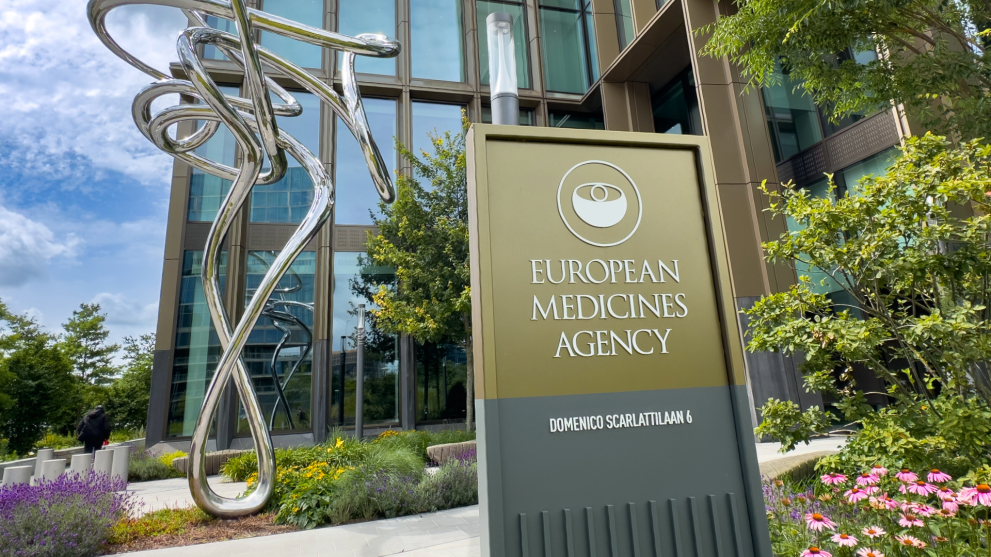
The European Commission has granted marketing authorisation for Itvisma (intrathecal formulation of onasemnogene abeparvovec, developed by Novartis) for the treatment of adults and children aged 2 years and older living with 5q spinal muscular atrophy (SMA). The European Commission’s decision follows the positive opinion adopted by the Committee for Medicinal Products for Human Use (CHMP) in April 2026.
Itvisma and Zolgensma are both gene replacement therapies based on the same active substance, onasemnogene abeparvovec. One key difference is how the treatment is delivered. Unlike Zolgensma, which is administered intravenously, Itvisma is given as a one-time injection into the fluid that surrounds the spinal cord, allowing the treatment to reach the nerve cells affected by the condition. (This is called an intrathecal injection into the cerebrospinal fluid surrounding the spinal cord.) The intrathecal route enables the therapy to be delivered directly to the central nervous system while a lower vector dose and without requiring weight-based dosing. This approach has enabled the therapy to be studied in older children, adolescents, and adults, leading to its approval for this broader age group.
For the SMA community, the European Commission’s decision represents a milestone in the regulatory process. However, EMA approval does not automatically mean people in each country can receive Itvisma immediately. The next steps will be pricing, reimbursement, and access decisions at national level, which determine when and how people can receive the treatment. So, a separate HSE reimbursement and access decision would still be needed before it would become routinely available through the Irish health service.
In Ireland, two applications for reimbursement of treatments, Risdiplam (Evrysdi) for adults with SMA, and a higher does of Nusinersen (Spinraza) 50/28mg, are currently awaiting HSE Drugs Group review.