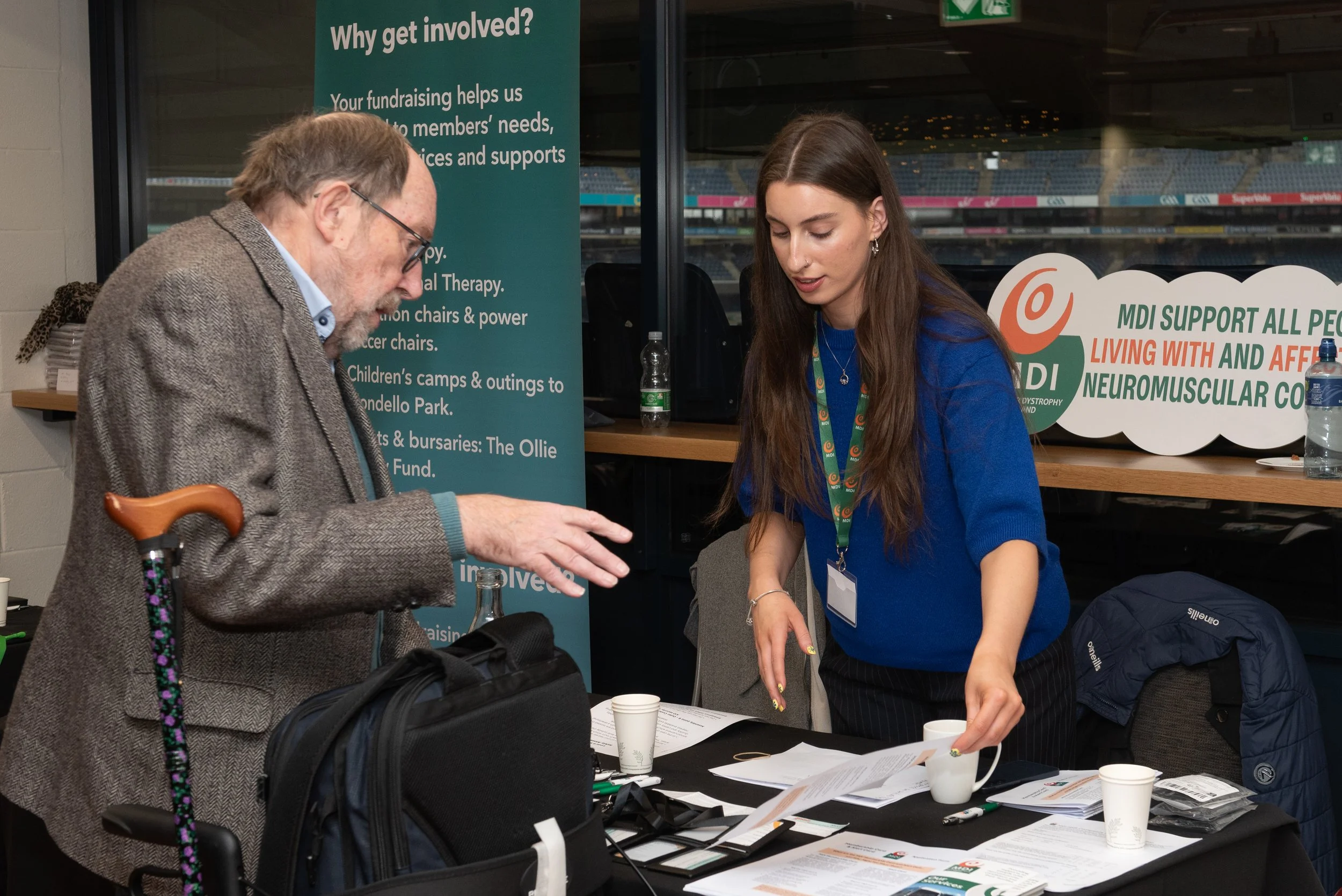
National Conference 2026
Adults’ Programme
Keynote speaker – Pádraig O’Sullivan TD
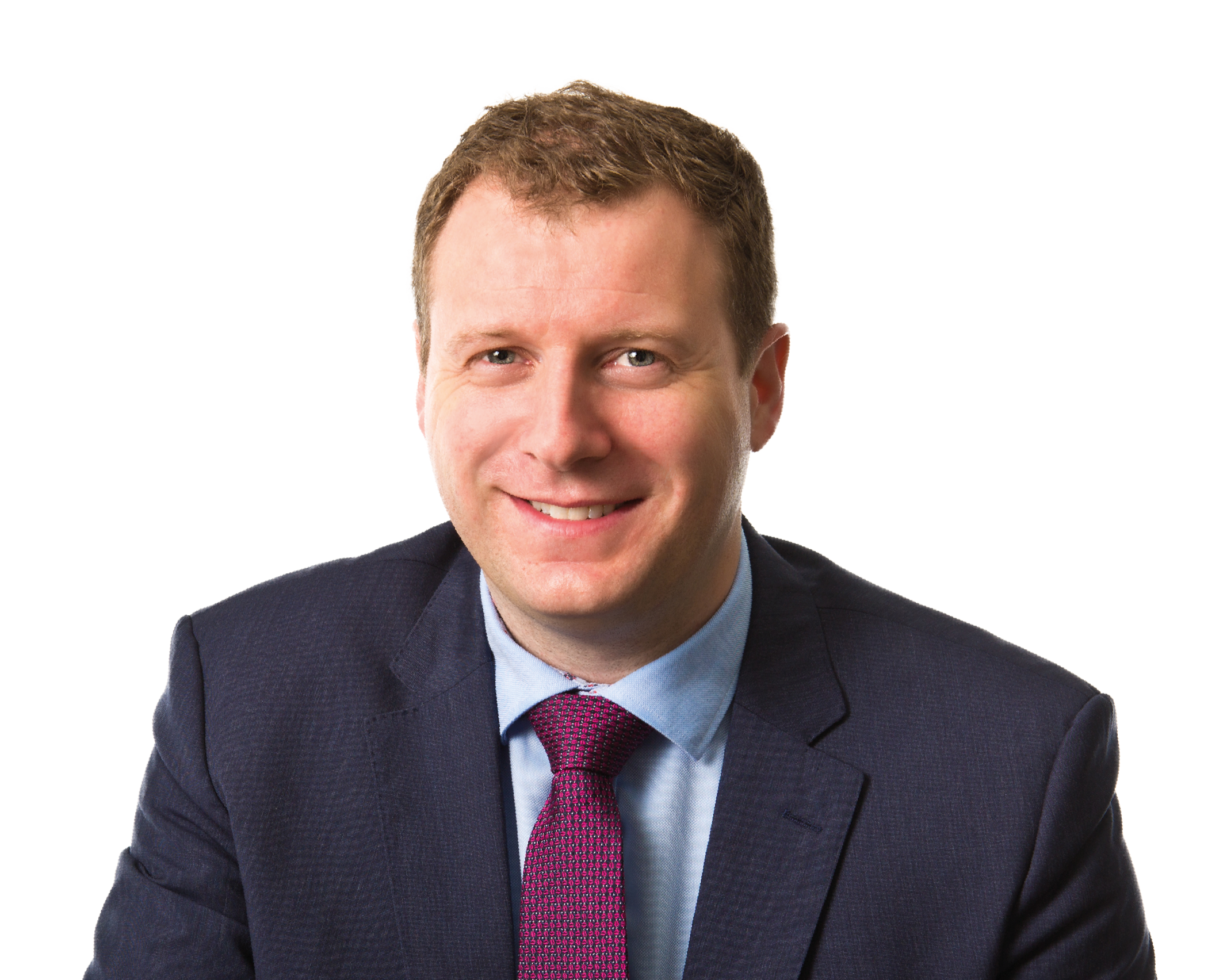
We are delighted to welcome Pádraig O’Sullivan TD as our keynote speaker. Pádraig has been a TD for Cork North Central since 2019. A former teacher, he has been a strong advocate on health and disability issues since entering public office. He is currently a member of the Oireachtas Joint Committee on Health and a founding member of the Cross-Party Group on Rare Diseases. Pádraig has been a committed supporter of improved access to treatments for people living with rare conditions and has called for a review of the decision-making process for rare condition medicines.
This has been a significant year for our community, with successful campaigns securing reimbursement for treatments for people living with Friedreich’s ataxia (FA), Duchenne muscular dystrophy (DMD) and spinal muscular atrophy (SMA). These achievements reflect the collective voices, determination and collaboration of our community in campaigning for access to treatments. Challenges remain however, including timely access to treatments and reform of the reimbursement process.
Pádraig will be joined by campaign advocates Helen Kearney, Aoife McNicholl and Karen Thompson to reflect on these achievements and their connection to our theme, Shared Voices, Shared Strength.
Campaign advocates share their reflections
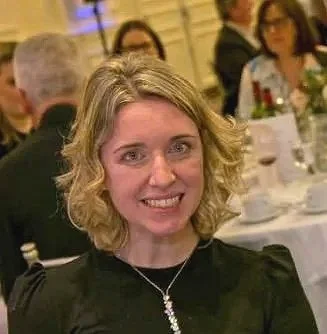
Helen Kearney
I’m 37 years of age and was diagnosed with Friedreich’s Ataxia (FA) at the age of 13.
FA is a progressive disorder so doing all you can physically and exercise-wise is really important. At 13, I was lucky to get my first pony and enjoy horse riding at an amateur level. This turned into more and I was lucky to represent Ireland at the 2012 and 2016 Paralympics. The 2012 Paralympics were a real highlight for me, culminating in winning three medals. I won two medals individually – a silver and a bronze – and I also helped the Irish team secure a bronze medal. Due to the progressive nature of my disability, I moved away from equestrian sports in 2024 and in 2025 I became active on the campaign to get Skyclarys (the first and only treatment for FA) approved in Ireland.

Dr Aoife McNicholl
Dr Aoife McNicholl is an Assistant Professor of Psychology and was previously the Universal Design Coordinator in Dublin City University. Her research areas of interest are assistive technology, independent living and the psychosocial impact of illness and disability. Aoife is a board member of Independent Living Movement Ireland and member of the MDI Research Committee. As a disabled person, she has been involved in advocacy campaigns with MDI and SMA Ireland together for SMA Treatments for All, the Irish Wheelchair Association on accessible housing, and the Government on the United Nations Convention on the Rights of Persons with Disabilities (UNCRPD)..
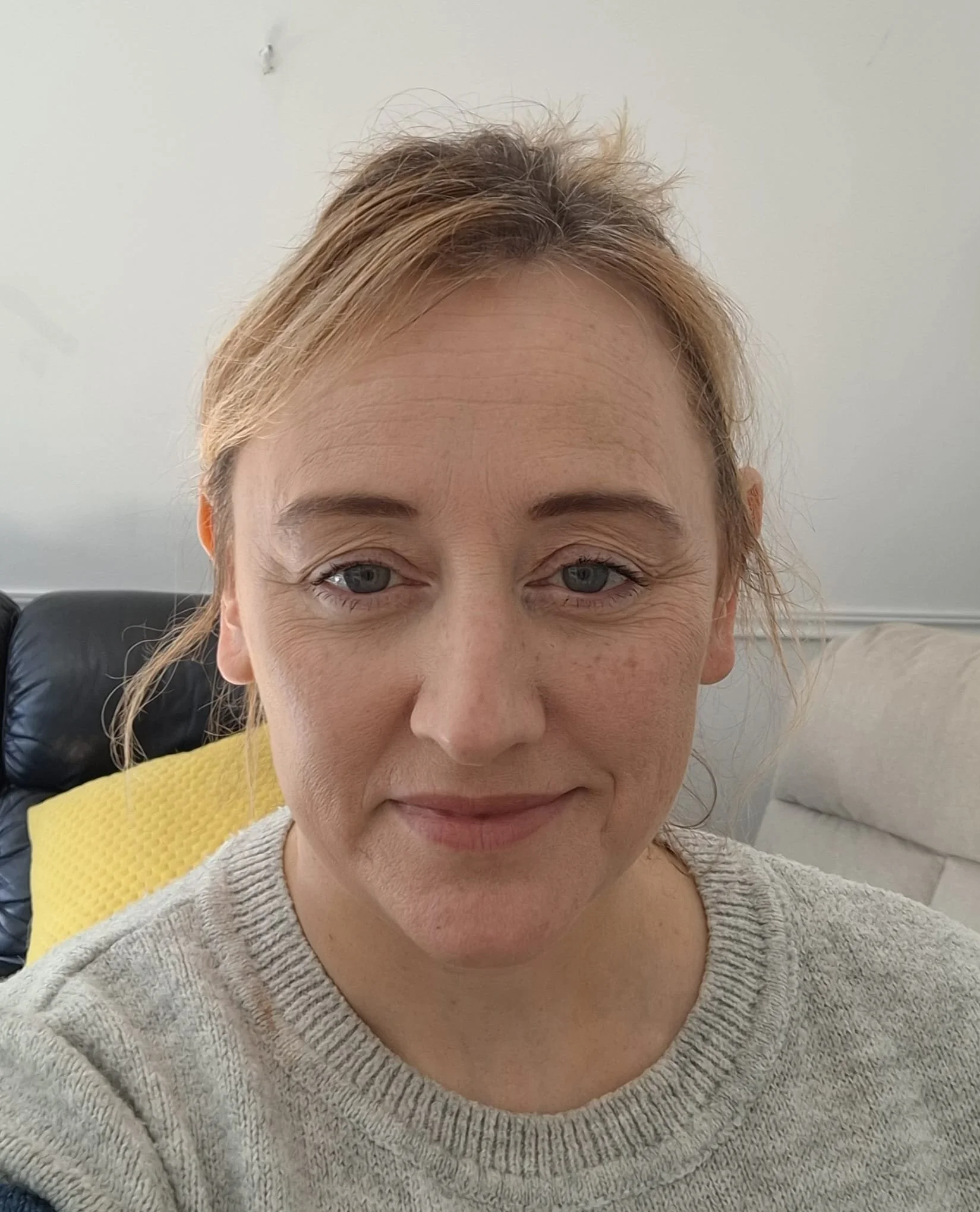
Karen Thompson
I'm Karen, a mam to three amazing boys, two of whom are living with Duchenne muscular dystrophy. Like so many parents, I never imagined I'd become involved in advocacy, but I was proud to be part of the Time Is Muscle Ireland campaign alongside other Duchenne families. Together, we advocated for timely access to Givinostat for boys and young men across Ireland. It was an incredible example of what can be achieved when families come together, and one thing I've learned for sure is that we are stronger together!
Living life my way - Choice, connection and community
MDI members share their thoughts on this theme. Followed by facilitated discussion and Q&A.
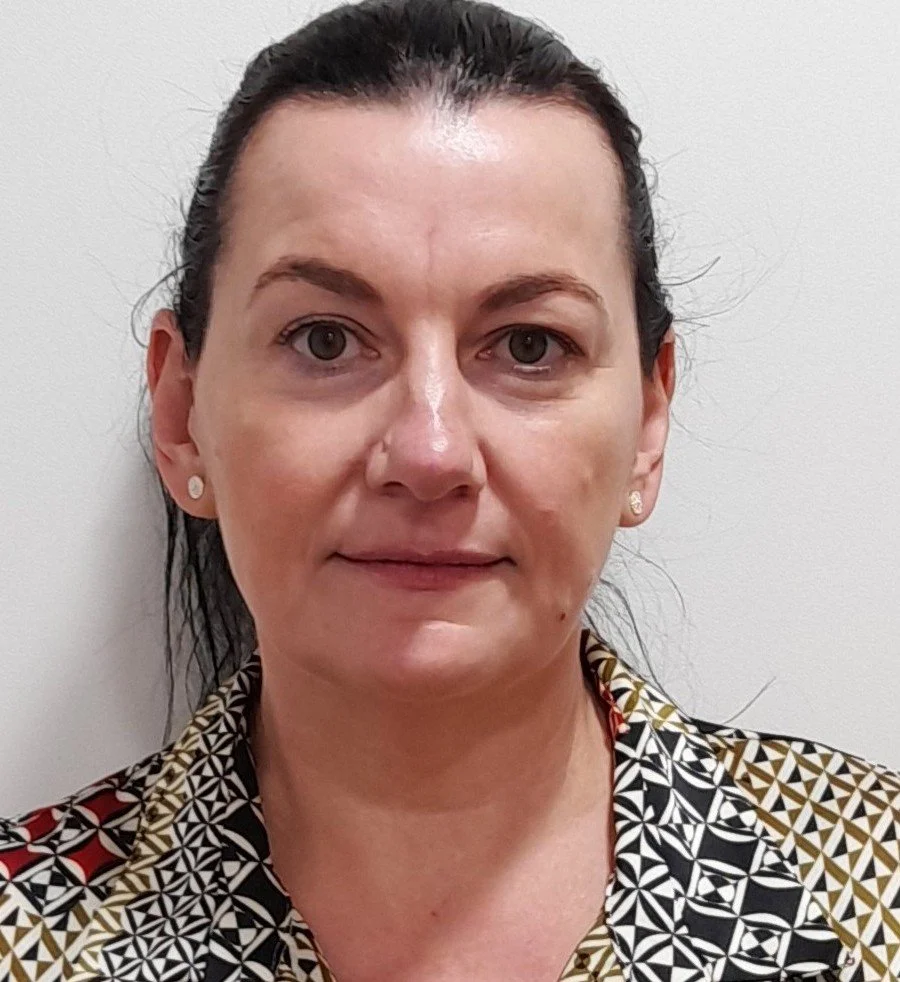
Stephen Myall
I am 60 years old and was diagnosed with facioscapulohumeral muscular dystrophy (FSHD) at the age of 23. I have worked in technology for most of my career and currently work with Northside Partnership, a local development company in Dublin. I live independently in County Down. Outside of work, I enjoy photography, researching my family history and exploring how technology can improve independence and accessibility. I am passionate about sharing my experiences to help improve understanding of life with muscular dystrophy.
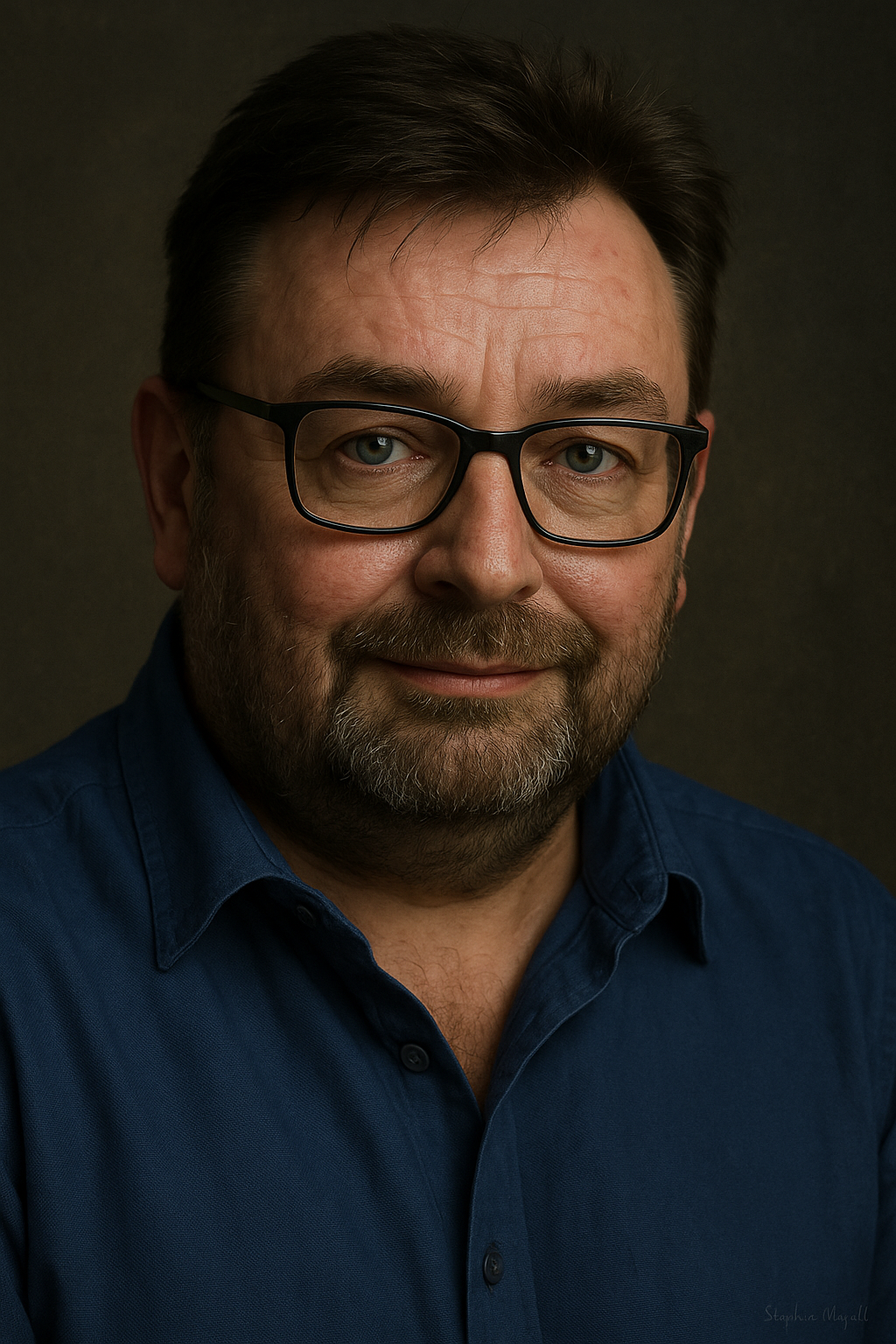
Helena Fogarty
I am from the west of Ireland and have worked in social care for the last twenty-five years. I come from a large family with only one sibling living abroad who will be travelling over for the conference. I love to travel and get out and about on my bike when I can. I enjoy creative hobbies and social gatherings. I have a passion for advocating for better outcomes for vulnerable groups. I live with the condition, limb girdle muscular dystrophy (LGMD2a).
Rachel O’Reilly
My name is Rachel. I’m married to a Belfast native, Paddy, now living in Kilkenny, mum to three young adults, balancing family life and a busy career working in the HSE as Senior Dietitian for Adults and Paediatrics in Community Services.
My youngest son, Finn, is living with congenital Ullrich muscular dystrophy, and our journey as a family has changed my perspective on life in ways I could never have imagined. Finn has taught me that strength comes in many forms and that resilience is often found in the smallest moments. Being his mum has certainly brought challenges, but also incredible joy in the little things, pride, and perspective.
Balancing family life, work, and caring responsibilities can be demanding, but I feel privileged to walk alongside Finn, advocate for him, and celebrate every achievement, big and small.
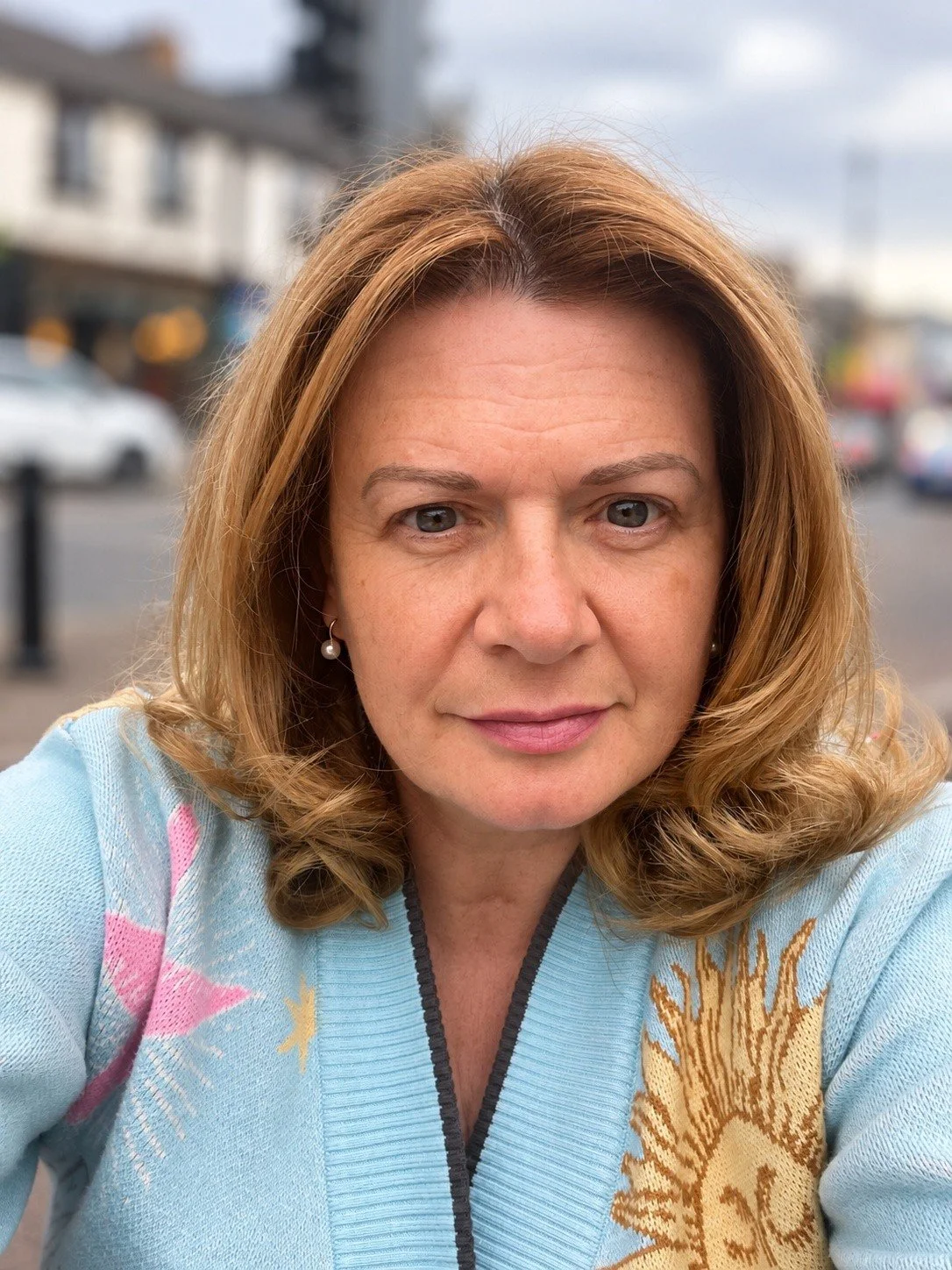
The shared strength of multidisciplinary teams – collaborative care in action
Health care professionals from both paediatric and adult teams offer their insights. Facilitated discussion followed by Q&A..
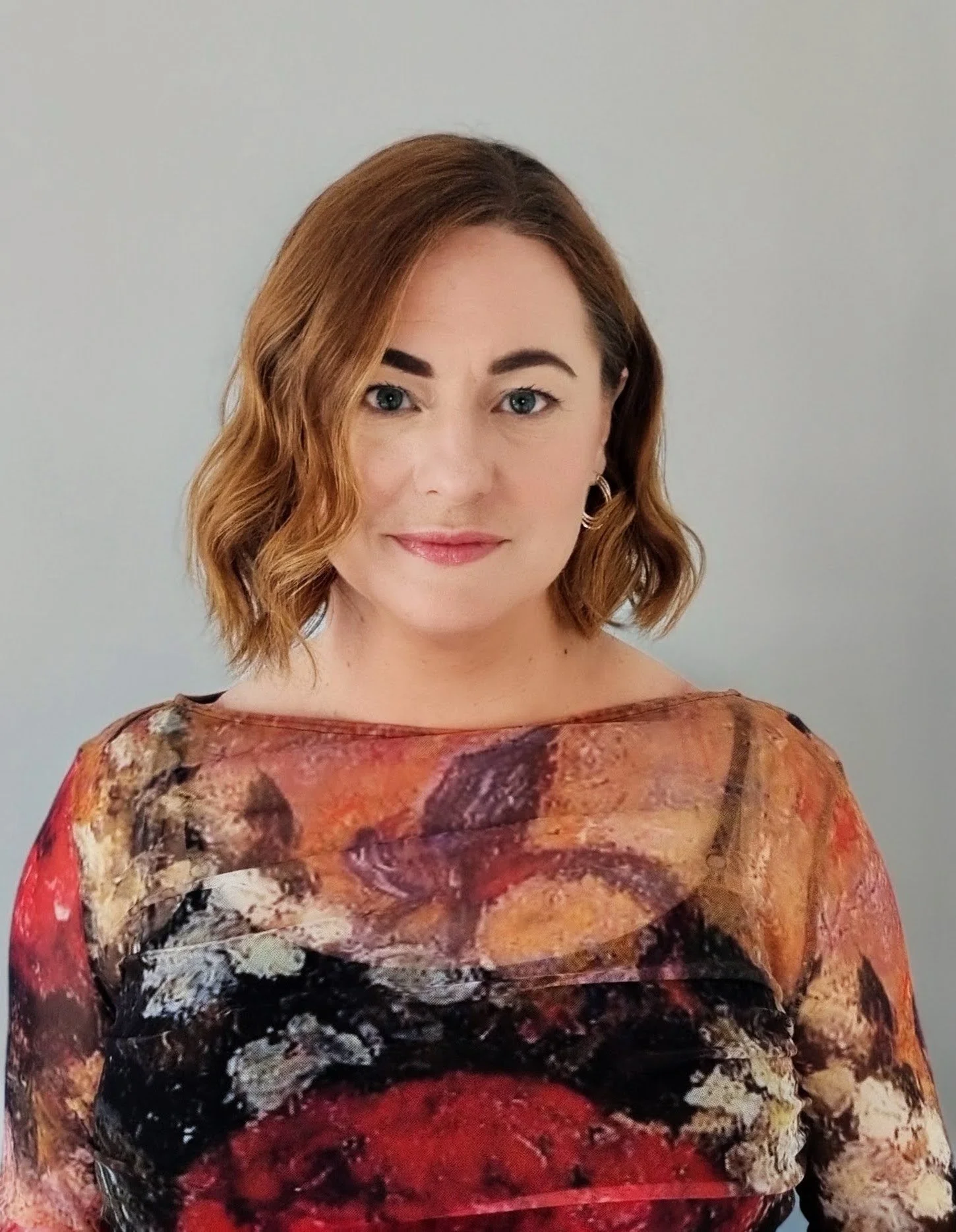
Dr Laura Gallagher
Laura is a Chartered Clinical Neuropsychologist. She has worked across community, hospital, and private healthcare settings, specialising in assessment and therapeutic support of children and young people with neuromuscular conditions. She provides education, training and consultation to teams, services and professional programmes.
In October 2024, together with Prof. Denise McDonald, Laura was granted €670,000 by the Children’s Health Foundation to develop a specialist paediatric psychology assessment and intervention service in CHI Neuromuscular Service.
Laura emphasises the importance of psychology working within the multidisciplinary medical service to identify and support the developmental and psychosocial needs of children with neuromuscular conditions.
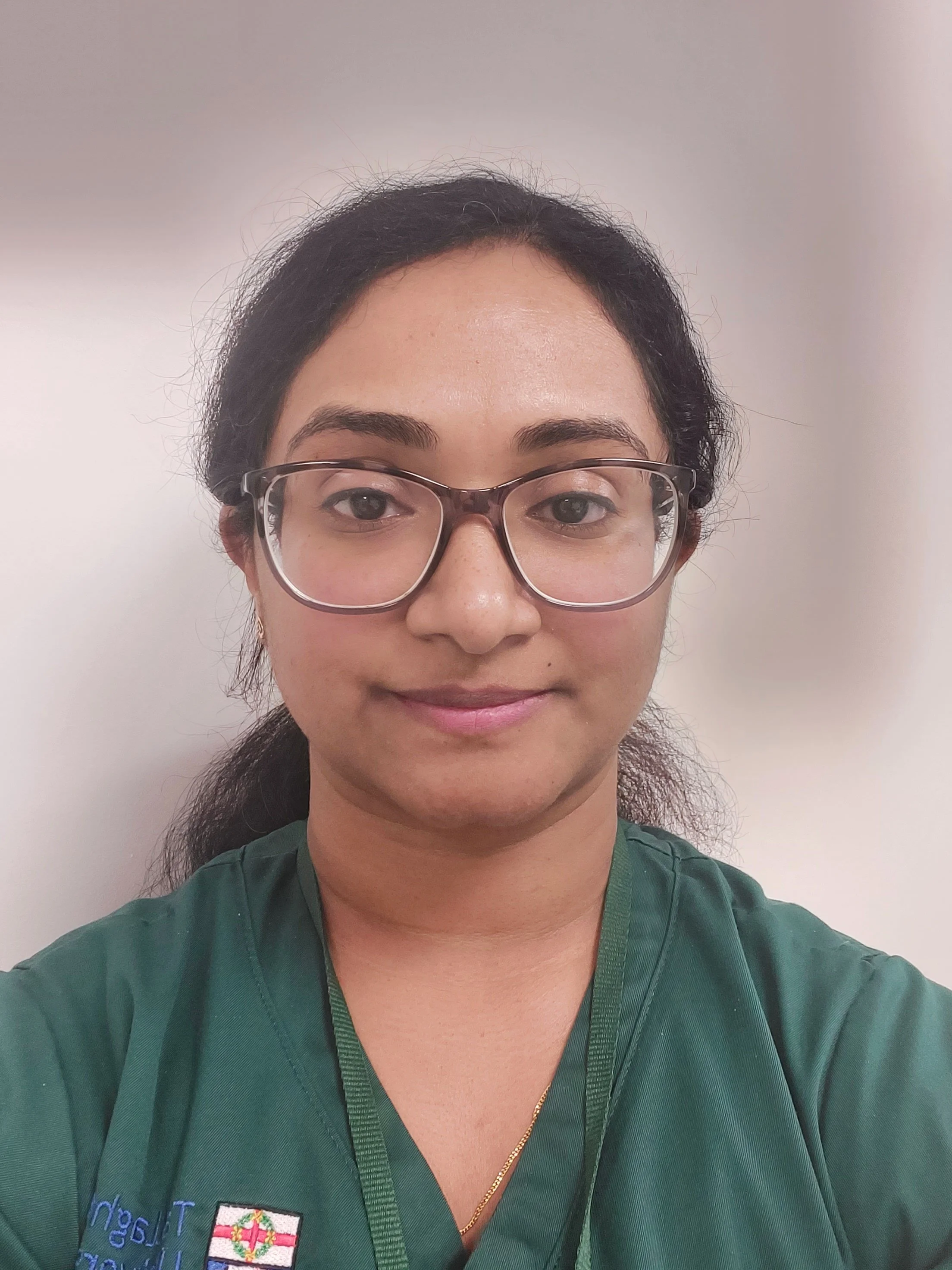
Smitha Samuel
I work as Advanced Nurse Practitioner for adult patients with neuromuscular conditions at Tallaght University Hospital (TUH). It’s a nurse-led service for the care of patients with neuromuscular conditions such as muscular dystrophies, myasthenia gravis, chronic inflammatory demyelinating polyneuropathy (CIDP), Charcot-Marie-Tooth disease (CMT) and peripheral neuropathies, in collaboration with the multi-disciplinary team at TUH. The service is predominantly outpatient-based and provides a rapid access email/phone line for patients.
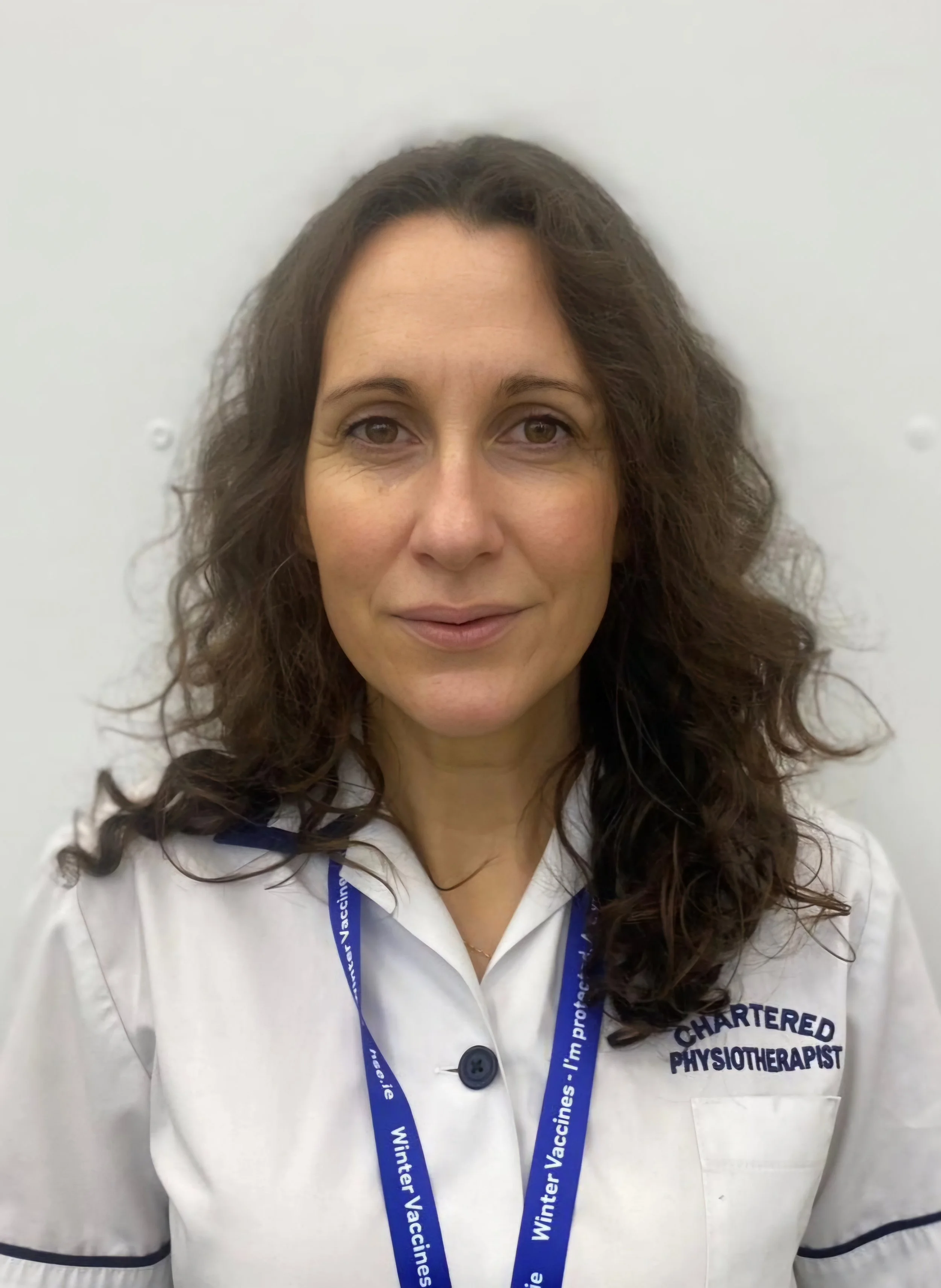
Roisin Vance
I am a Clinical Specialist in Physiotherapy in Neurology working at Beaumont Hospital for almost 20 years. I also hold an honorary lecturing role with the Royal College of Surgeons and am the National Health and Social Care Professional Representative on the National Neurology Programme. I work in a specialised neuromuscular clinic at Beaumont Hospital, and am an assessing physiotherapist, and involved in neuromuscular research.
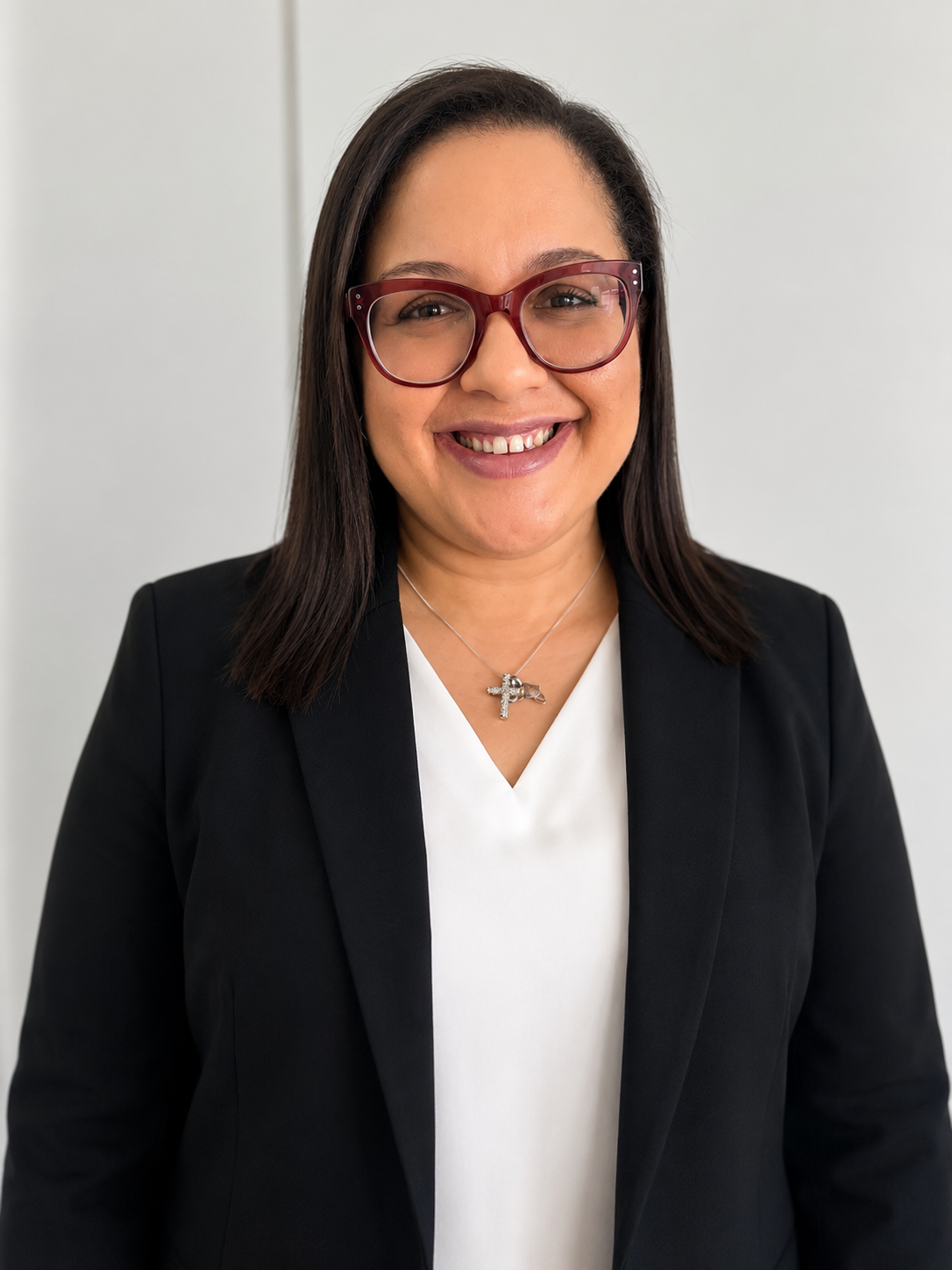
Danielle Furlong
Danielle Furlong is a Senior Occupational Therapist with the National Neuromuscular Team in Ireland at Children's Health Ireland. She works within paediatric neuromuscular services, supporting children and young people living with a range of complex neuromuscular conditions. Danielle works closely with children, families, schools and the wider multidisciplinary team to promote participation, independence and quality of life. She has a particular interest in collaborative practice and the unique contribution each profession brings to holistic care.
From mountains to miles: stories of raising awareness and funds
MDI members share their stories of living with neuromuscular conditions, raising awareness and taking on fundraising challenges. Followed by facilitated discussion and Q&A..
Eoghan Clifford
Eoghan is a Professor of Engineering and is Head of the School of Engineering at the University of Galway. He has also been a board member of Muscular Dystrophy Ireland. He has represented Ireland at world championships and Paralympic Games in cycling. He recently completed a multi-sport competition in Donegal as part of a fund-raising effort for MDI. He has a keen interest in research into broad areas of muscular dystrophy including assistive technologies and areas that improve quality of life. Eoghan lives with the neuromuscular condition, Charcot-Marie-Tooth disease.
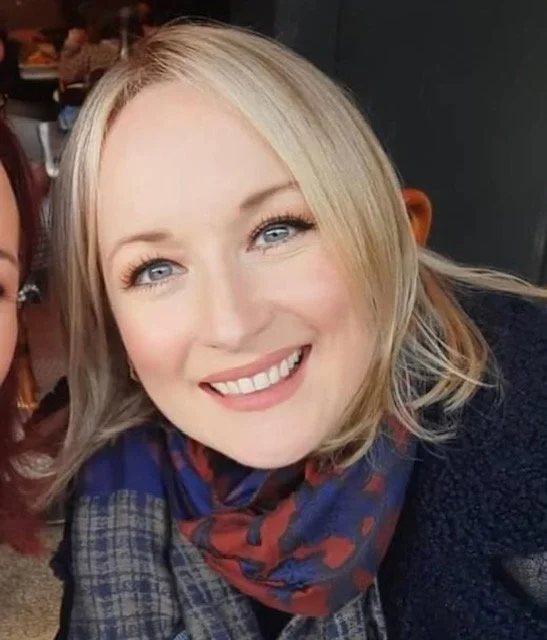
Claire Ellis
In February 2025, my father and I climbed Kilimanjaro to raise funds for local charities, never imagining that just five months later I would be diagnosed with the rare muscle disease Miyoshi distal myopathy and become a member of one of those charities myself. After 11 years of unanswered questions and countless medical appointments, finally having a diagnosis was life changing. Through our challenge, we raised and donated €5,500 to Muscular Dystrophy Ireland. I am incredibly grateful for the support MDI provides and feel honoured to give back to an organisation that has helped me so much.
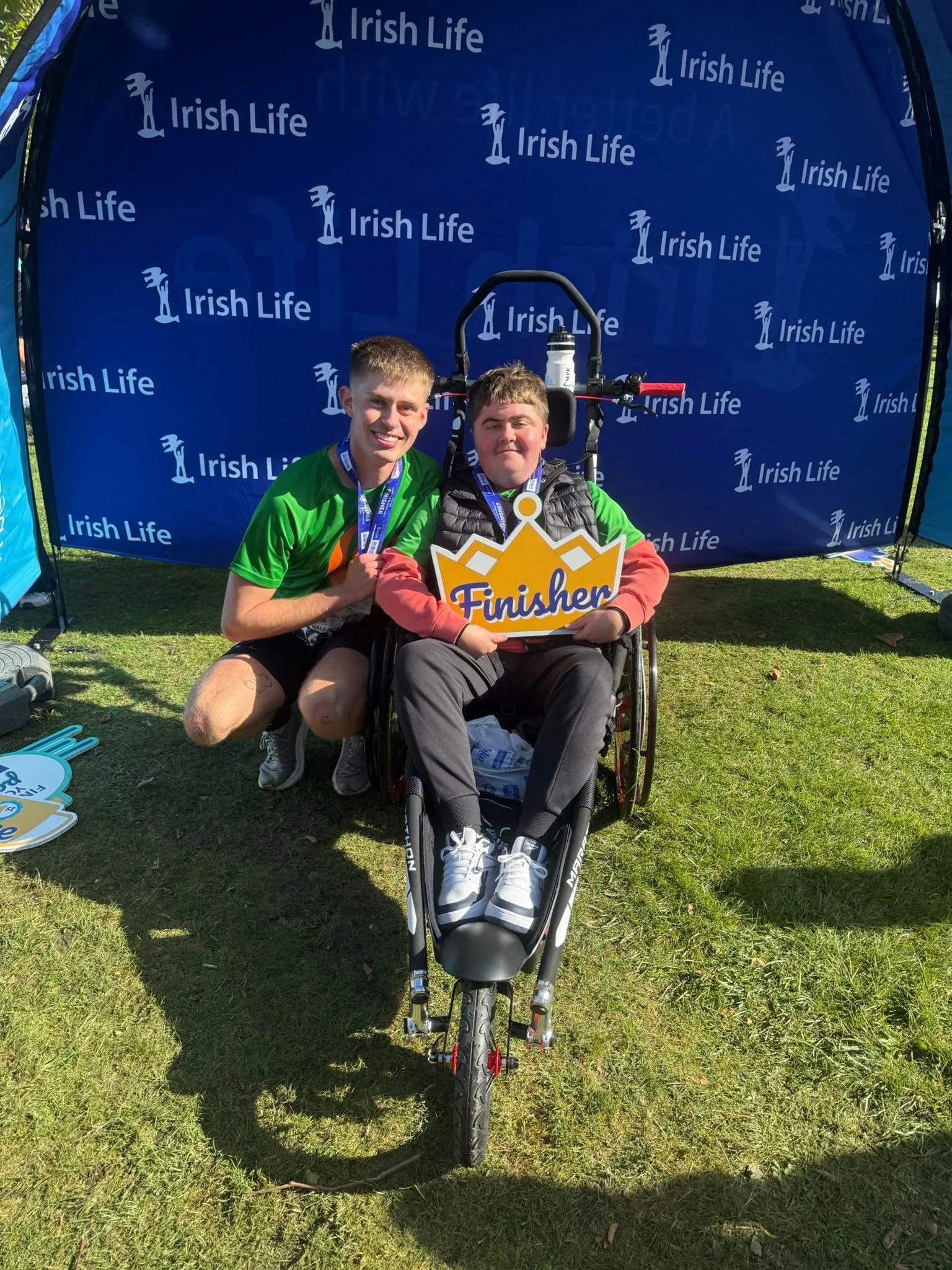
Tommie and Adam Thornton
Hi, I’m Tommie Thornton. I’m 19, and while having Duchenne muscular dystrophy (DMD) means I need help with physical lifting, it definitely doesn't stop me from getting out and living life to the fullest. I’ve just finished my Leaving Cert and hope to study Media Studies at Maynooth University. For me, staying positive and cutting out stress is a huge priority, especially since keeping stress low actually helps protect my muscles.
Fundraising is something I've been passionate about for a long time. Back in 2016 when I was younger, I actually dressed up as Willy Wonka to help launch the 'Love MDI' campaign for Muscular Dystrophy Ireland. I’m also a marathon athlete. Despite freezing rain, I completed both a full and a half marathon last year. This year – exactly ten years after my first campaign – I fundraised for 'Love MDI' again, though unfortunately not in the Willy Wonka costume this time! Now, I’m already training to smash my next full marathon this October.
My brother Adam is 25 years old and is working as a radiotherapist, a role that perfectly reflects his innate dedication to caring for others. He provides vital assistance with my physical transfers and offers thoughtful, reliable guidance through life's challenges, while also ensuring we stay connected to our community by organising regular trips to town and the cinema. Recently, inspired by the wheelchair athletes he observed during his own race, Adam suggested that we team up to participate in a marathon. We are now actively training to raise funds for MDI once again, in recognition of the support it has provided me over many years. This collaborative effort is a fitting reflection of Adam’s enduring generosity, friendship, and unwavering support.
Sibling voices – growing up with a person with a neuromuscular condition
MDI members share their experiences and reflections. Followed by facilitated discussion and Q&A.
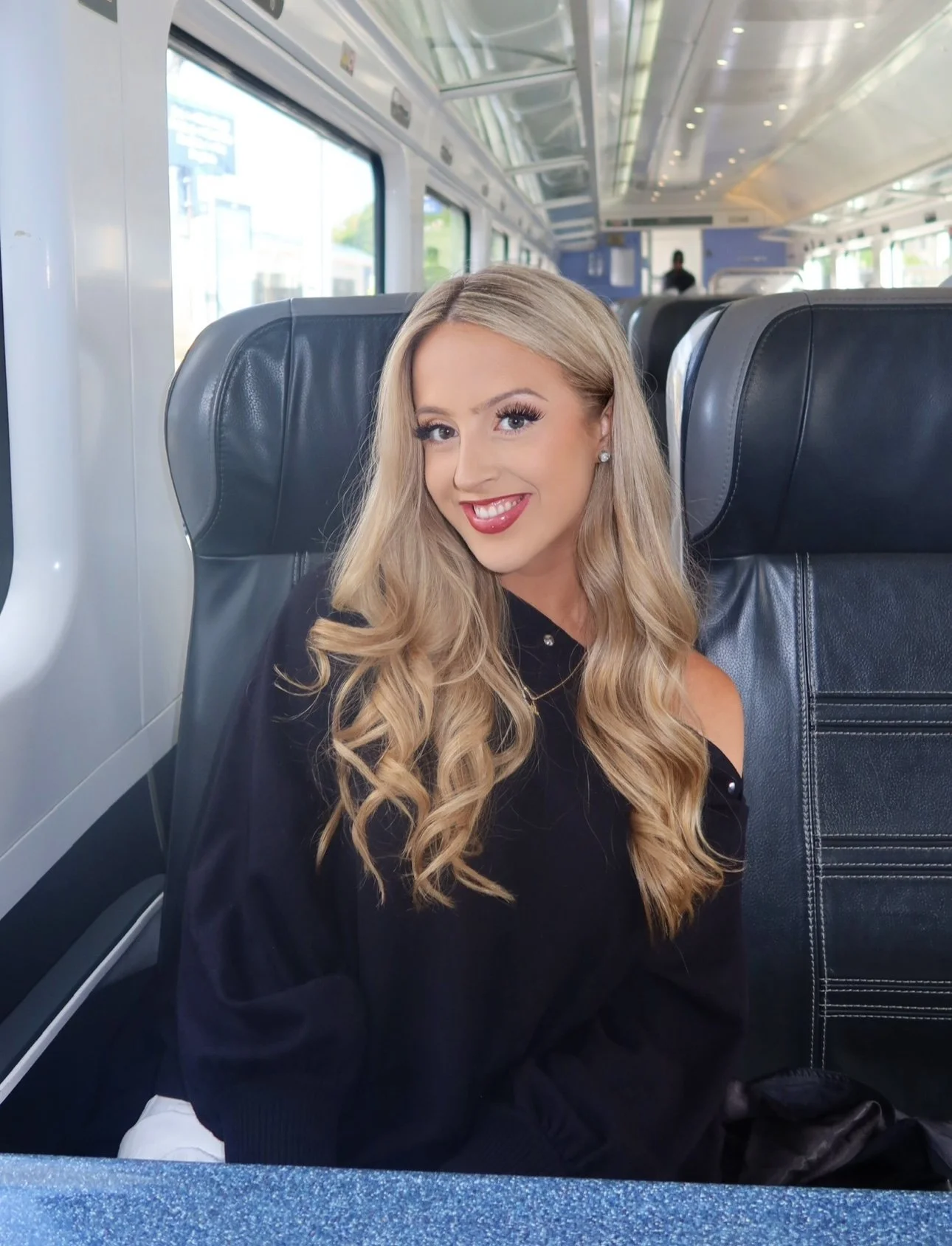
Caitlin McAuley
Hi, I'm Caitlin, I’m 24 years old and I'm the twin sister of my brother Conor, who has Duchenne muscular dystrophy (DMD). Growing up alongside him has shaped so much of who I am and has given me a unique perspective on resilience, family, and the important role siblings play. I'm looking forward to sharing some of my experiences and connecting with others who understand both the joys and challenges of being a sibling.
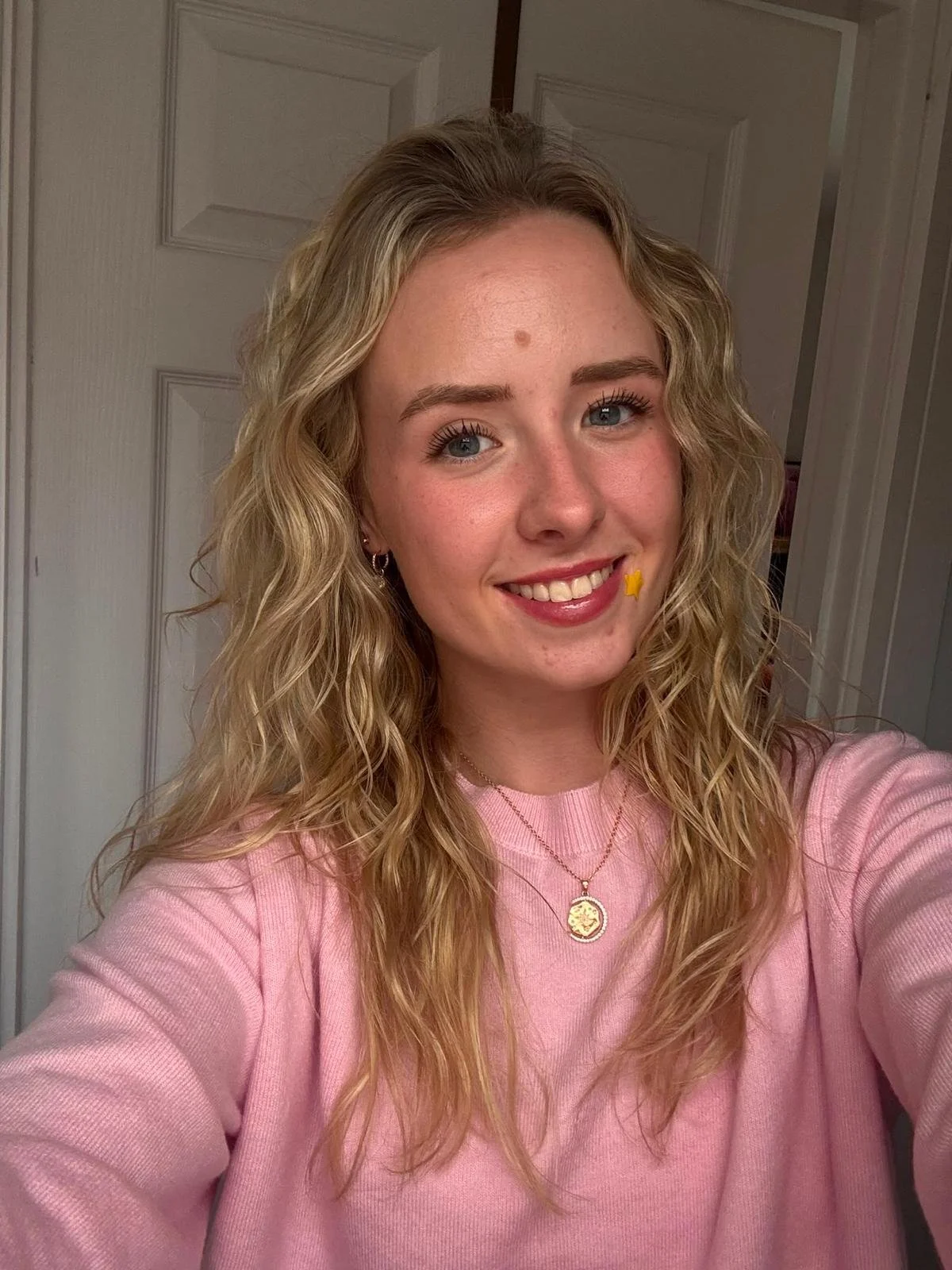
Ella O’Reilly
Ella is a 20-year-old student in second year at Dublin City University (DCU), studying Analytical Science with Chemistry, and a passionate camogie player representing Kilkenny and DCU teams. Alongside balancing college, sport, a part-time job, and the demands of being a young adult, she has also grown up with a brother living with a rare neuromuscular condition. Being his sister has shaped her in many ways, giving her an understanding of resilience, empathy, and the importance of community and family. She is incredible proud of her brother, carries his strength and determination with her both on and off the pitch. She acknowledges the small moments, celebrates each day and never take anything for granted.